


Qatar has quietly become one of the most accessible property markets in the Gulf for foreign buyers. The legal framework is clear, the transaction costs are among the lowest in the region, and since late 2025, the government has been actively streamlining the process to the point where you can hold a title deed and a residency visa within days of completing your purchase.
But “accessible” does not mean “simple.” There are specific zones where you can buy, specific thresholds that unlock residency, and a process that moves quickly once you understand it, and stalls if you don’t. This guide walks you through every step, with the real numbers and the details that matter.
Where Foreigners Can Buy: Freehold vs. Usufruct
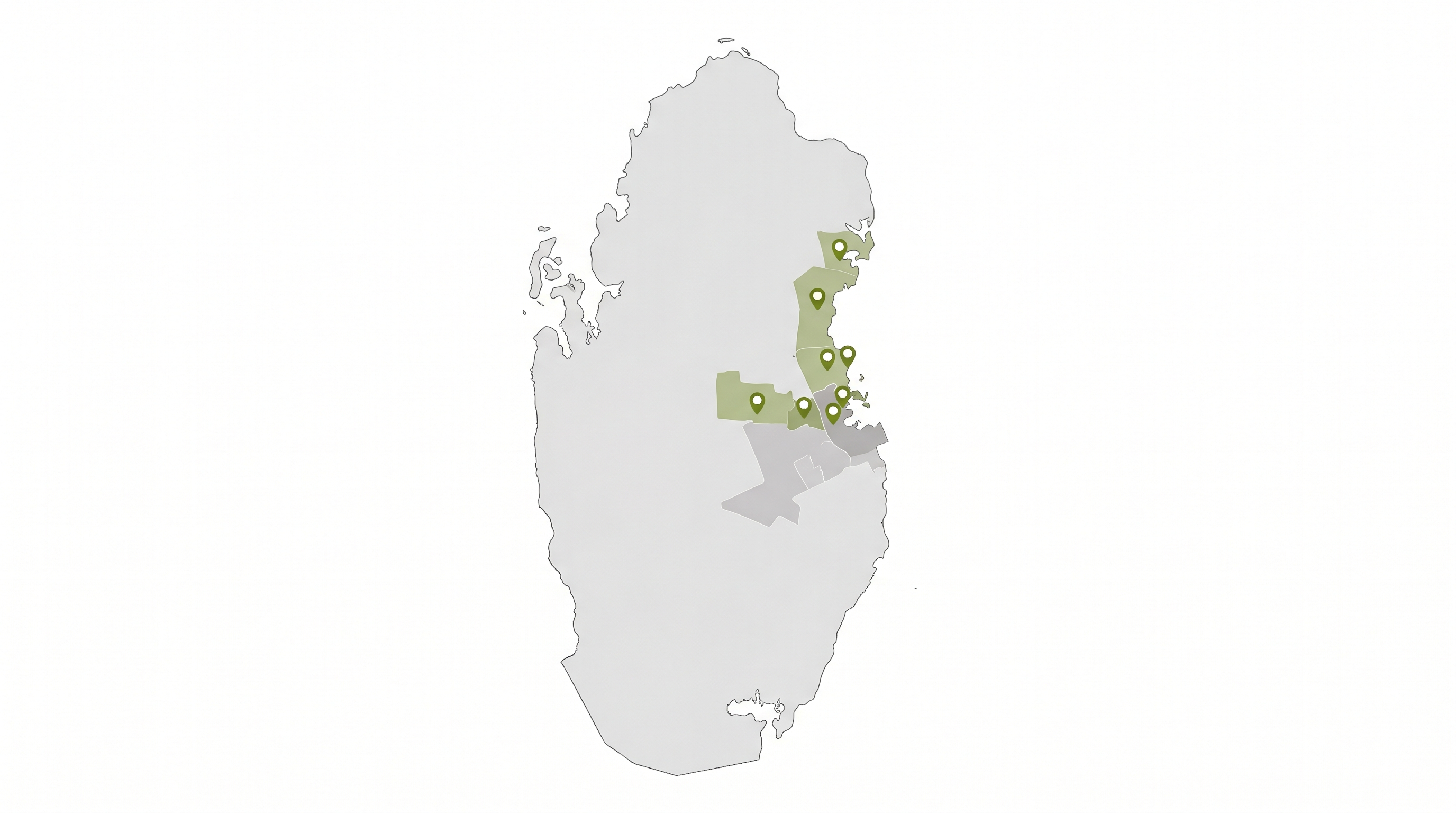
Under Law No. 16 of 2018 and Cabinet Decision No. 28 of 2020, non-Qatari nationals can own property in 25 designated zones across the country. These fall into two categories.
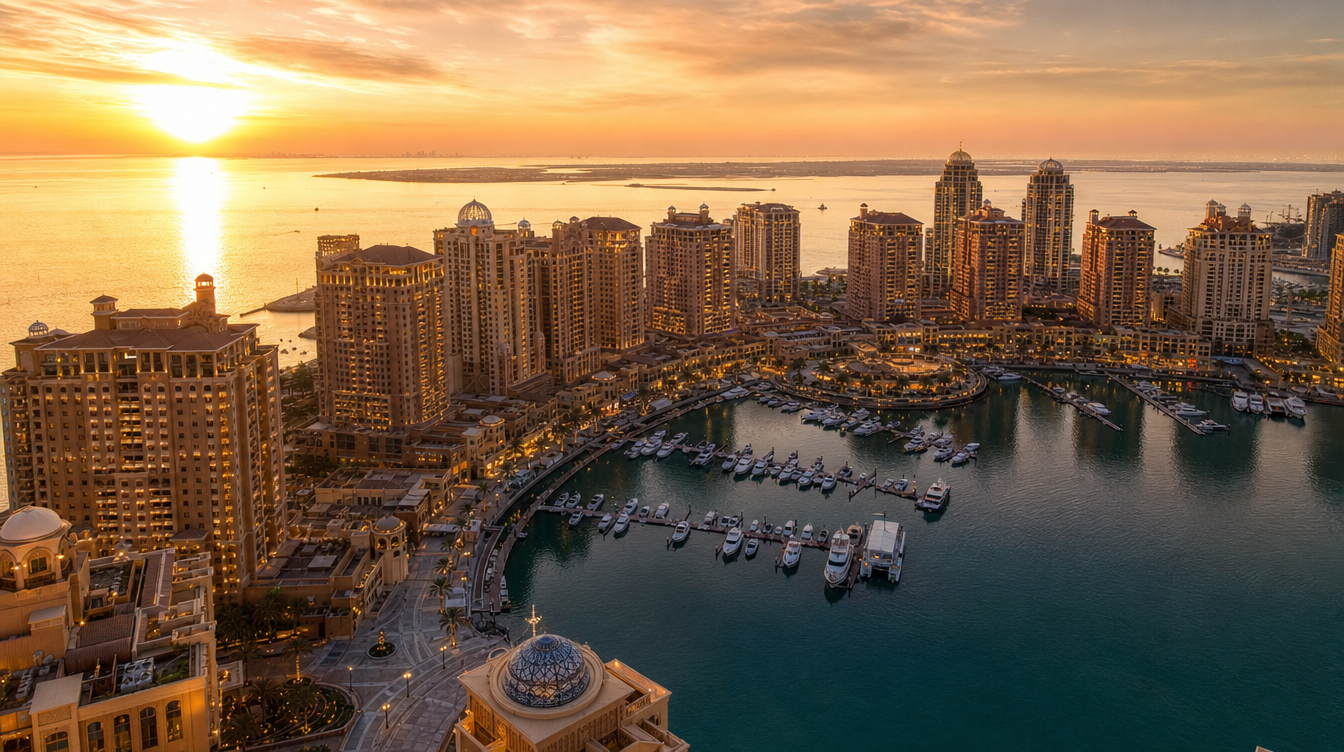
Freehold zones give you full, outright ownership of the property and the land it sits on. The title deed is issued directly in your name. These are the most liquid and most sought-after areas for foreign buyers, and they include The Pearl-Qatar, Lusail City (including Fox Hills, Marina District, and the Waterfront), West Bay Lagoon, Al Khor Resort, and parts of Al Dafna and Onaiza.
Usufruct zones grant you the right to use a property for up to 99 years. You can lease it, live in it, or sell the usage rights during that period, but ownership reverts to the state at the end of the term. These zones generally cover older commercial centres of Doha, such as Msheireb, Al Sadd, and Fereej Bin Mahmoud.
There is also an important exception that many buyers overlook. The Ministry of Justice allows foreigners to purchase a single residential unit within a “Residential Complex” in any area of Qatar, even outside the 25 designated zones. This applies to apartment buildings with residential complex status, meaning you could potentially buy in established family neighbourhoods like Al Waab or Al Gharrafa. For commercial properties, there are no zonal restrictions: you can purchase offices and retail spaces in any commercial complex or mall nationwide.
The Residency Connection: What Your Investment Unlocks
This is where Qatar’s proposition gets compelling. Property ownership is now the fastest path to residency in the country, and the government formalised a fast-track framework in late 2025 through the Real Estate Regulatory Authority (RERA), in coordination with the Ministries of Interior and Justice.
There are two tiers. An investment of at least QAR 730,000 (approximately USD 200,000) in a qualifying freehold zone gets you a renewable residency permit, typically up to five years. You can sponsor your immediate family, access banking services, healthcare, and education. The processing is fast: RERA has confirmed that both the title deed and residency visa can be issued within days of registration.
The second tier requires an investment of QAR 3.65 million (approximately USD 1 million). This qualifies you for permanent residency, which comes with benefits closer to those of Qatari nationals, including access to public healthcare and education. A minimum stay of 90 days per year is typically required to maintain this status.
For context, this entry point undercuts most Gulf competitors. Dubai’s Golden Visa requires AED 2 million (around USD 545,000) for real estate. Qatar’s QAR 730,000 threshold is deliberately positioned to attract a broader pool of international investors.
The Buying Process: Step by Step
Once you understand where you can buy and what residency tier you’re targeting, the actual transaction follows a structured process.
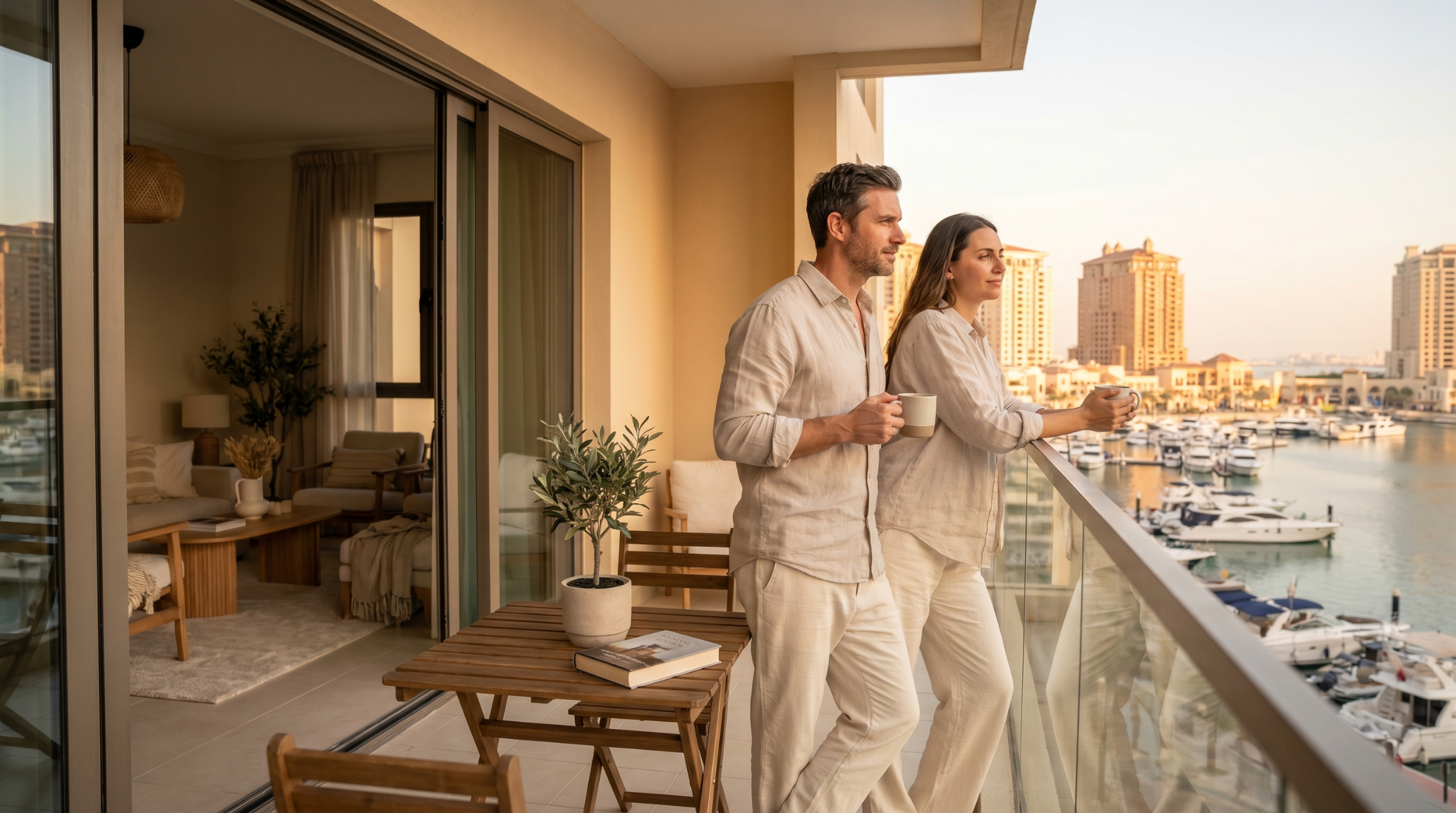
Step 1: Define your objective and select a zone. Are you buying for personal use, rental income, or residency? This determines whether you prioritise Lusail (newer developments, strong capital appreciation potential), The Pearl (established community, waterfront lifestyle), or West Bay (proximity to Doha’s commercial core). Work with a licensed broker who knows the specific buildings and developers in these areas.
Step 2: Due diligence. This is non-negotiable. Verify the title deed status, check for any existing encumbrances or unpaid service charges through the Ministry of Justice’s SAK portal, confirm the property sits within an approved freehold or usufruct zone, and review all developer documentation. Engage a Qatar-experienced real estate lawyer for this stage, as it protects your capital and avoids surprises at registration.
Step 3: Negotiate and agree on terms. Once due diligence clears, negotiate the price and payment structure. For off-plan properties, developers in Lusail commonly offer structured payment plans with zero per cent interest. For ready properties, the negotiation is more straightforward. A preliminary agreement is typically signed at this point, with a deposit of around 10% of the purchase price.
Step 4: Sign the Sale and Purchase Agreement (SPA). The SPA should be bilingual (Arabic and English) and clearly outline the purchase price, payment schedule, handover date, and any conditions. Have your lawyer review this before signing.
Step 5: Register with the Ministry of Justice. Both buyer and seller attend the Real Estate Registration and Documentation Department at the Ministry of Justice to formally register the transfer of ownership. This is where your title deed is issued. Qatar is moving toward a one-stop digital platform that will eventually allow this to be completed online, but for now, in-person attendance is standard.
Step 6: Residency application. If your purchase meets the QAR 730,000 or QAR 3.65 million threshold, your residency application is processed in coordination with the Ministry of Interior. Under the fast-track framework, this can happen simultaneously with title deed issuance.
What It Costs Beyond the Purchase Price
Qatar’s transaction costs are remarkably low by regional and global standards. The property transfer fee charged by the Ministry of Justice for freehold ownership transfer is 0.25% of the property’s value. Registration fees are minimal; the Ministry reduced a range of fees in January 2026 under Ministerial Decision No. 5 of 2026, including halving the cost of property ownership certificates from QR 100 to QR 50, and setting off-plan unit registration at a flat QR 100 per unit.
Brokerage commission is typically 1-2% of the transaction value, depending on the agency and the deal structure. There is no personal property tax, no capital gains tax, and no income tax on rental earnings for individuals. The Qatari Riyal is pegged to the US dollar at 3.64, which eliminates exchange rate risk for dollar-denominated investors.
Ongoing costs include service charges (which vary by development and building; The Pearl and Lusail developments typically charge annual maintenance fees that cover common areas, facilities, and building upkeep) and, if you’re financing, mortgage repayments. Expats can access mortgage financing, though loan-to-value ratios generally range between 60% and 75%, with eligibility depending on income, employer classification, and residency status.
What to Watch Out For
The process is straightforward, but there are a few areas where buyers get caught out.
Service charges can vary significantly between buildings, even within the same development. Always request a full breakdown before committing. Some older buildings in West Bay carry higher maintenance costs than newer Lusail towers with more efficient systems.
Off-plan purchases carry delivery risk. While RERA’s new digital title deed verification for off-plan transactions has reduced this significantly, always verify the developer’s track record and the project’s completion status. Flexible payment plans are attractive, but understand the penalties for late payments and the handover process.
Finally, understand the exit. Resale liquidity varies by area and unit type. Prime units in The Pearl and Lusail’s Marina District tend to move faster. Less established districts may take longer to find a buyer at your target price.
The Bottom Line
Qatar has made it genuinely easy for foreigners to buy property; easier, in many respects, than most of its Gulf neighbours. The freehold framework is clear, the residency incentives are real, and the transaction costs are minimal. The government’s 2026 fee reductions and fast-track residency processing signal a country that actively wants international buyers in the market.
The key is knowing where you can buy, understanding the residency tiers, and getting the due diligence right. Get those three things sorted, and the rest of the process moves quickly.
Looking to buy property in Qatar?
Coreo specialises in premium properties across The Pearl-Qatar, Lusail, and West Bay. Whether you’re buying for lifestyle, investment, or residency, our team can guide you through every step of the process. Get in touch to start your search.


.png)